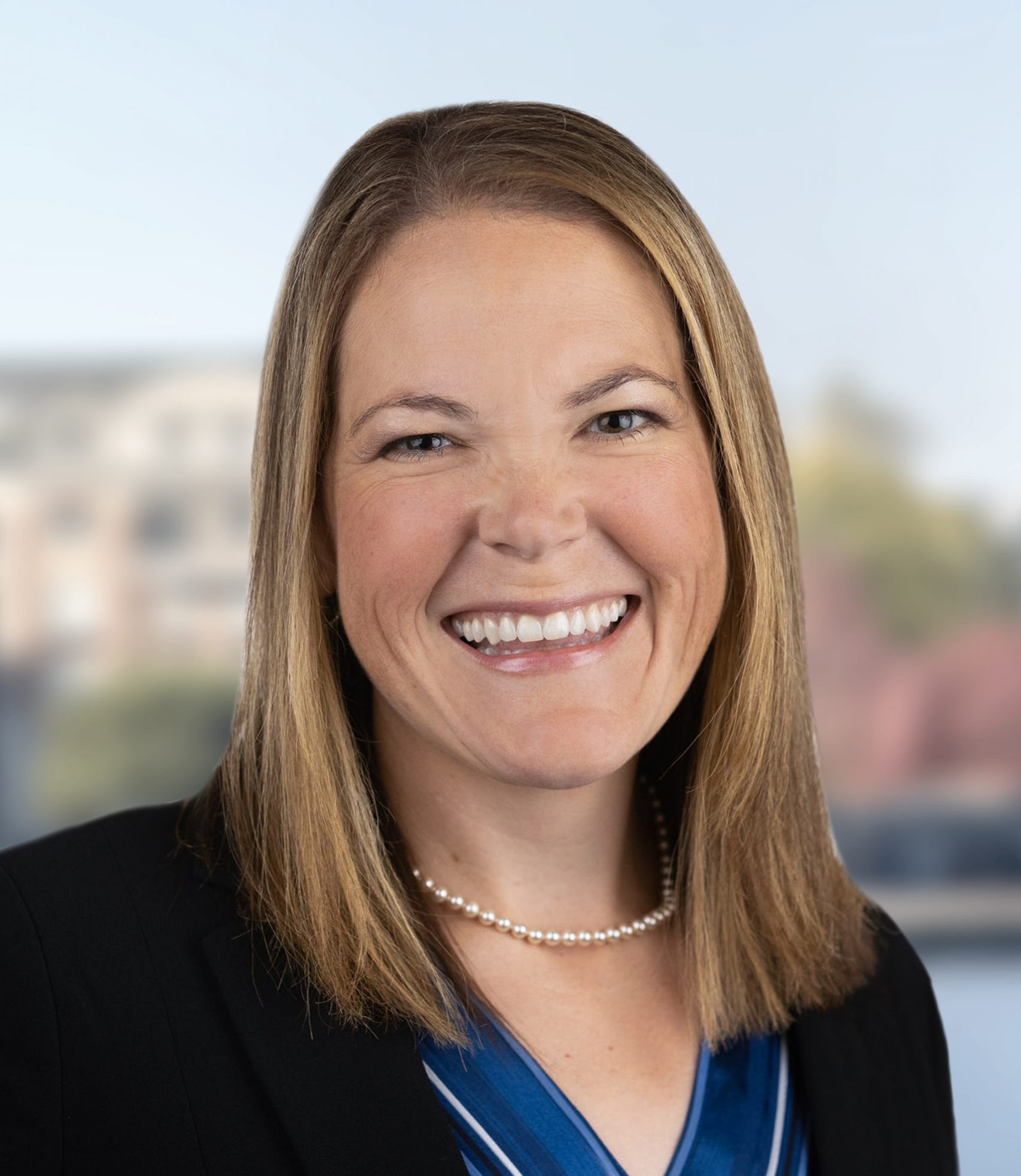

Frank Bishop, Jr.
PartnerBIO
Practice Areas: Automotive and Personal Property Finance and Leasing, Business Funding and Government Investigations, Examinations and Enforcement


On January 26, the Consumer Financial Protection Bureau issued a “Request for Information Regarding Fees Imposed by Providers of Consumer Financial Products or Services.” In a contemporaneous statement, CFPB Director Rohit Chopra described the request for information as the beginning of a “new effort to help save American families billions of dollars in junk fees in their financial life.” The request for information seeks public comment on how these “junk fees” impact individuals (specifically older people, students, servicemembers, persons of color, and lower-income consumers) and requests feedback from social services organizations, consumer rights and advocacy organizations, legal aid attorneys, academics and researchers, small businesses, financial institutions, and state and local government officials.
As part of the request for information, the CFPB identified the following as its points of emphasis:
The request for information originally set a deadline for comments to be provided on or before March 31.
However, on March 25, the CFPB extended the deadline to April 11 and announced that it has already received 25,000 comments.
In a February 2 blog post, the CFPB described “junk fees” as fees that “take many different forms, including fees for late penalties, overdrafts, returns, using an out-of-network ATM, money transfers, inactivity, and more.” The blog post identified the following “common junk fees” in more detail:
In the supplementary information provided as part of the request for information, the CFPB characterized charging “hidden back-end fees,” which are “mandatory or quasi-mandatory,” as an anti-competitive tactic designed to “lure consumers into making purchasing decisions based on a perceived lower price.” In support of its position, the CFPB noted that:
While the request for information focuses on credit cards, residential mortgages, and fees charged by financial institutions in connection with deposit accounts, it is clear that the CFPB’s scope of interest is much broader than that. The CFPB explicitly states that it is “interested in other loan origination and loan servicing fees, including for student loans, auto loans, installment loans, payday loans, and other types of loans.” Therefore, while sales finance companies and installment lenders are not the immediate focus of the CFPB’s investigation into the fees charged in connection with financial services, we believe that such creditors should anticipate CFPB examination of such practices and future rulemaking governing origination and servicing fees by creditors of all types. The request for information also indicates, as expected, that Director Chopra plans to use the expansive supervision and examination functions of the CFPB to aggressively regulate creditors and their financial products.

Hudson Cook, LLP provides articles, webinars and other content on its website from time to time provided both by attorneys with Hudson Cook, LLP, and by other outside authors, for information purposes only. Hudson Cook, LLP does not warrant the accuracy or completeness of the content, and has no duty to correct or update information contained on its website. The views and opinions contained in the content provided on the Hudson Cook, LLP website do not constitute the views and opinion of the firm. Such content does not constitute legal advice from such authors or from Hudson Cook, LLP. For legal advice on a matter, one should seek the advice of counsel.


CounselorLibrary is a collection of online complementary consumer credit compliance and privacy products, created, maintained and supported by the lawyers of Hudson Cook, LLP.
CounselorLibrary products and services are available directly through and from www.CounselorLibrary.com and are not legal advice. Counselorlibrary.com, LLC is an entity affiliated with Hudson Cook, LLP.


7037 Ridge Road, Suite 300
Hanover, Maryland 21076