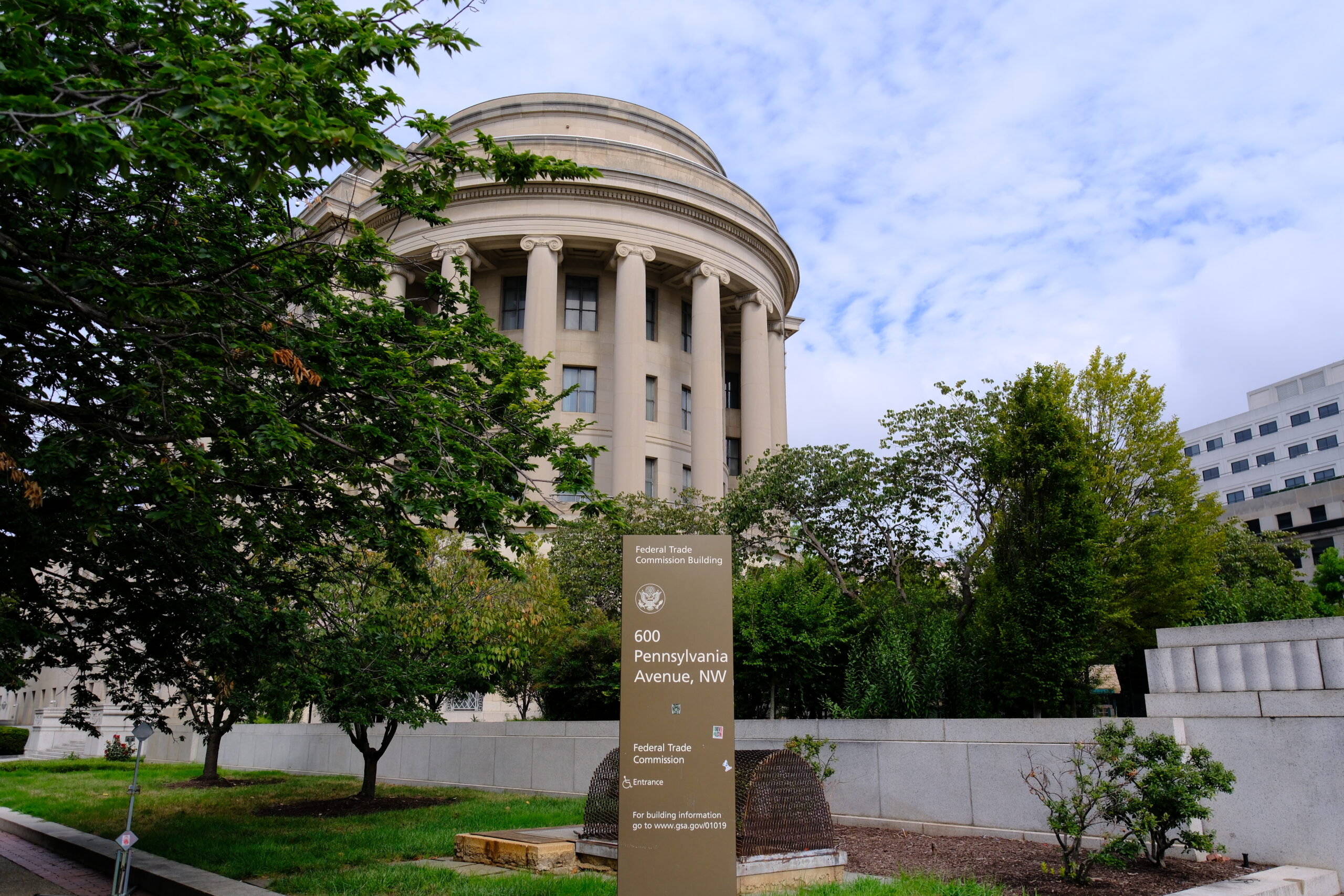
Hudson Cook’s substantial FTC practice includes former FTC associate directors, assistant directors, and attorneys with decades of experience. The practice currently is led by four partners who previously worked in the FTC’s Bureau of Consumer Protection. Lucy Morris, Rebecca Kuehn, Michael Goodman, and Jean Noonan spent years at the FTC litigating cases, leading investigations, writing regulations, training law enforcement, and explaining the FTC’s mission to the public. At Hudson Cook, they are part of a broader team experienced in defending clients in FTC investigations and enforcement actions, negotiating resolutions to these adversarial matters at all levels of the Commission’s hierarchy, and counseling clients in compliance with FTC standards.
Representative clients in FTC investigative and enforcement matters include auto dealers and finance companies, consumer lenders, fintech companies, credit card issuers, consumer reporting agencies, online lead generators, rent-to-own companies, ancillary product providers, and resident screening service providers.
FTC investigations typically begin with a civil investigative demand (CID). CID recipients may be required to produce documents and data, respond to written questions, or provide testimony under oath at an investigational hearing. Hudson Cook lawyers have assisted clients in responding to countless CIDs and have a deep understanding of the FTC’s rules of practice governing CID responses. Throughout the CID response process, we advise clients on their rights and applicable privileges, negotiate modifications to narrow or clarify CIDs, or, if necessary, challenge the CID before the FTC and in the courts. We assist clients with all aspects of their CID response, from large-scale document review and production to hearing preparation to helping to prepare interrogatory responses.
If the director of the FTC’s Bureau of Consumer Protection grants enforcement staff “consent” authority, the best client outcome, depending on the circumstances, may be a resolution through a negotiated settlement. Hudson Cook attorneys have successfully negotiated consent decrees for clients that avoid further enforcement risk and minimize future exposure to private-plaintiff liability.
If a client determines that a settlement with the FTC is not in its best interest, or the Commission opts not to settle, litigation with the FTC may be unavoidable. We represent clients facing enforcement actions by the FTC, as well as related litigation by private plaintiffs, including class actions.
Our FTC practice is informed not just by years of cumulative experience handling matters before the Commission, but also by our decades of experience as dedicated consumer financial services lawyers. If you have received a CID from the Commission or otherwise have questions relating in any way to the FTC, please reach out to any of the lawyers in our government investigations and enforcement practice.
Hudson Cook’s range of clients in our FTC compliance practice is similarly broad. The FTC Act’s core standard prohibits unfair or deceptive acts or practices (“UDAP”). All aspects of a company’s engagement with prospective, current, and former customers require UDAP compliance. Related FTC statutory and regulatory provisions impose more specific standards on business operations. Our FTC compliance team covers this wide range of rules, with deep experience relating to marketing, privacy, data security, credit reporting, fair lending, and credit transactions.
Our marketing compliance practice covers both long-standing and emerging channels, from telemarketing, text messaging, email, and direct mail, to social media and other online advertising.
Our privacy and data security compliance practice has deep experience counseling clients on standards specific to financial institutions as well as applying the latest FTC guidance on protecting consumer privacy online and maintaining security standards that keep up with emerging threats.
Our credit reporting compliance practice works with clients throughout the consumer report ecosystem, including information users, data furnishers, and consumer reporting agencies and resellers.
Our fair lending and credit transactions compliance attorneys have decades of experience, both within the FTC and outside it, analyzing and applying 50 years of foundational principles in these areas.


7037 Ridge Road, Suite 300
Hanover, Maryland 21076